
Navigating a Florida real estate transaction can be smooth sailing, but your marital status introduces legal wave patterns that can catch you completely off guard at the closing table. Whether you are buying a beachside condo or selling your family home from Matthews & Matthews, LLP in Destin, Florida, Florida law treats married individuals differently than single ones. Understanding these rules is essential to ensure your closing happens on time without a last-minute hitch. Partnering with an experienced real estate lawyer ensures you stay ahead of these requirements. Here are three ways your marital status directly impacts your Florida real estate closing. Schedule a consultation today.
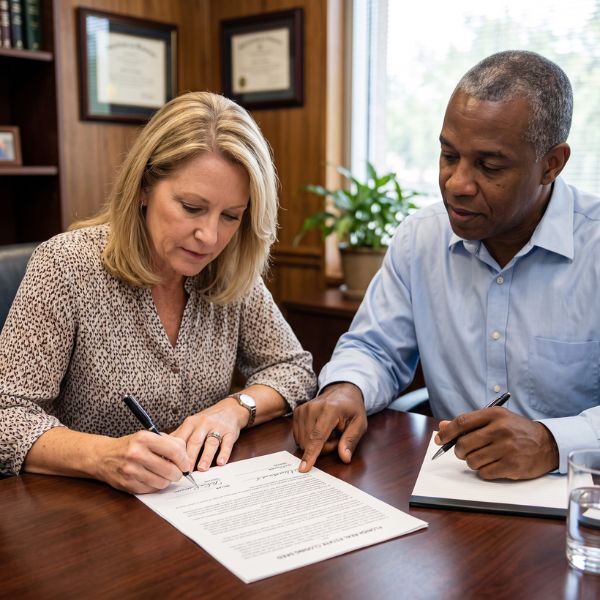
The Power of Homestead Laws
Under the Florida Constitution, if you are selling a property that serves as your primary residence, your spouse must sign the deed to transfer ownership. This rule applies even if your spouse’s name is completely left off the deed and they have never lived in the home.
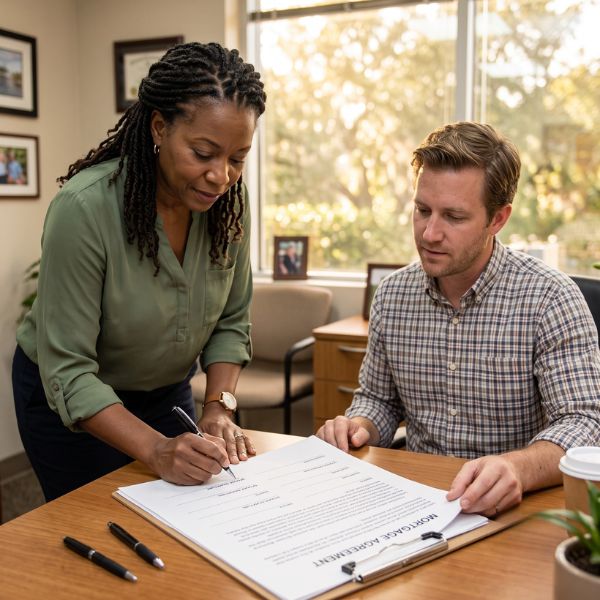
Financing Restrictions for Buyers
If you are legally married and taking out a mortgage to buy a new primary home, Florida lenders require your spouse to sign the mortgage document. While they do not have to sign the loan note itself, their signature on the mortgage is legally required to acknowledge the lender’s lien against the property.
Separation Does Not Equal Divorce
If you are separated but not legally divorced, you are still considered married under Florida law. Your estranged spouse must still sign the closing documents for any primary residence transactions. Failing to secure their signature can completely stall your timeline.
SCHEDULE A CONSULTATION
To navigate the intricacies of real estate transaction law, you need trusted legal advocates in your corner. Working with dedicated home property lawyers guarantees that title issues are cleared well before your closing day. For seamless legal guidance and experienced property attorneys in Destin, contact Matthews & Matthews, LLP today to protect your investments.